LawAI Summer Fellowship 2027 in Washington DC: $2,000 a Week for AI Law and Policy Research, Deadline 29 January
Offered by Institute for Law & AI
29 Jan 2027
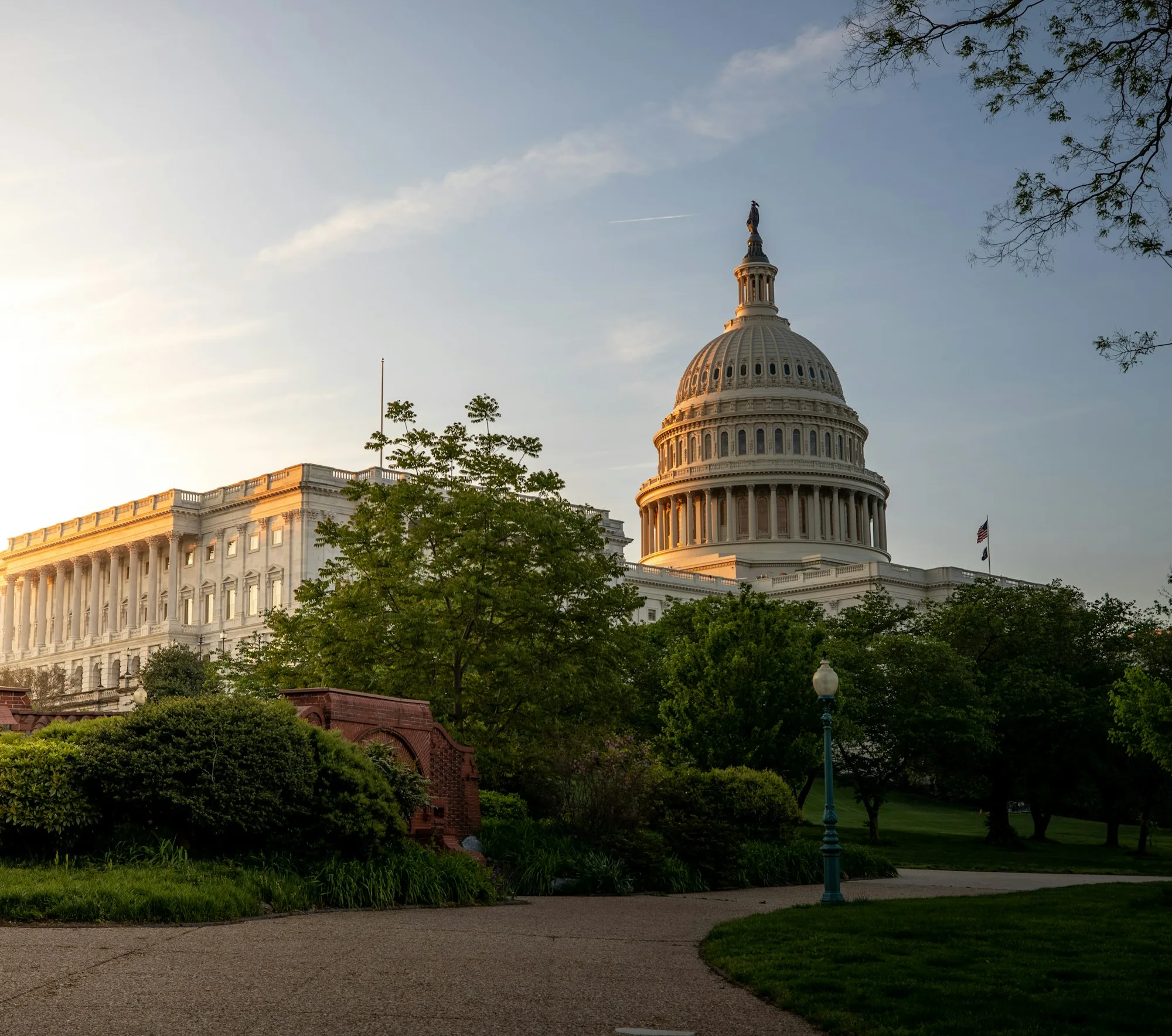
The Institute for Law & AI pays summer fellows $2,000 a week plus a $10,000 relocation stipend for 10 weeks of AI law research in Washington DC. Apply by 29 Jan 2027.
The Institute for Law & AI (LawAI) is taking applications for its 2027 Summer Fellowship in the United States, a paid 10-week research placement in Washington DC for people who want to work on AI law and policy. The LawAI Summer Fellowship 2027 pays a weekly subsidy of $2,000 and a one-time $10,000 relocation and housing stipend, and the application deadline is 11:59 pm Eastern Time on 29 January 2027.
LawAI Summer Fellowship 2027 at a glance
- Organisation: Institute for Law & AI
- Location: Washington DC, in person (remote considered case by case)
- Dates: 14 June to 20 August 2027, full time
- Convening Week: 21 to 25 June 2027 in Washington DC
- Pay: $2,000 a week, more for candidates with exceptional experience
- Relocation: $10,000 one-time stipend for fellows who move to DC
- Deadline: 29 January 2027, 11:59 pm ET
- Decisions: targeted for mid-March 2027
What fellows do
Each fellow works with a mentor from LawAI's research team on a project matched to their skills and interests. LawAI says fellows can either take on one longer piece of work, such as a report or a law review article, or contribute to several of the institute's ongoing projects through legal research. Fellows choose the output format, for example a law review article or a policy brief. Some may also take part in advisory work with policymakers, government bodies or private organisations.
Fellows are expected to attend regular team meetings, present their projects from time to time and give feedback on other fellows' work.
Who can apply
This is a US-focused programme, and that shapes eligibility. According to LawAI's official page, applicants need:
- A strong understanding of the legal principles that apply to AI regulation in US law and policy, shown through formal US legal study (an incoming first-year law student qualifies) or comparable professional experience.
- An interest in AI law and policy. Previous AI research experience is not required.
- The ability to work full time from 14 June to 20 August and attend Convening Week.
- Valid visa or immigration permission for the place they will be based.
Past fellows have included LLM and JD students, PhD candidates, postdoctoral researchers, professionals moving into AI-focused roles, and legal academics.
A note for applicants outside the US
LawAI says it will make every reasonable effort to support visa sponsorship for successful candidates, but eligibility is decided by the relevant authorities. African lawyers and law graduates with US legal training, such as an LLM from an American law school, are the most realistic candidates. If you do not have that background, this fellowship is likely to be a stretch; our Fulbright 2027 guide covers one route to US legal study.
Benefits
- $2,000 a week for 10 weeks
- $10,000 taxable relocation and housing stipend for those moving to DC, with no receipts required
- Travel, accommodation and meals covered for Convening Week
- Close mentorship from LawAI research staff and affiliates
- Q&A sessions with leading experts
- Networking and career planning resources in US law and policy
- Possible follow-on opportunities, including grants, event invitations and future roles
How to apply
- Read LawAI's United States Law and Policy Workstream document, linked from the fellowship page.
- Fill in the online application form, which takes about 20 minutes, before the deadline.
- If shortlisted, record a 20-minute asynchronous interview about your views on AI development and its effects on society, law and policy.
- Take part in a 45-minute project interview with a member of the research staff.
If you need a decision by a particular date, LawAI asks you to say so on the form.
Tips for a strong application
- Be specific about a legal question. Name a concrete issue, such as liability for AI agents, state frontier AI laws or federal procurement rules, rather than "AI governance" in general.
- Show your US law grounding. Courses, clerkships or published work on US law carry weight.
- Prepare for the recorded interview. Have a clear, reasoned view on how AI could change law and policy over the next decade.
Official page and application:law-ai.org/summer-fellowship-us. Questions go to programs@law-ai.org.
How to apply
- Read LawAI's United States Law and Policy Workstream document linked on the fellowship page.
- Complete the online application form (about 20 minutes) before 11:59 pm ET on 29 January 2027.
- Shortlisted candidates record an asynchronous exploratory interview (about 20 minutes).
- A 45-minute project interview with a research staff member follows.
- Final decisions are targeted for mid-March 2027.
Eligibility notes
Applicants need a strong grasp of the legal principles that apply to AI regulation in US law and policy, shown through formal US legal study (for example an incoming 1L) or comparable professional experience. Fellows must hold valid visa or immigration permission for the place they will be based; LawAI says it will make reasonable efforts to support visa sponsorship but the authorities decide. Full-time participation and attendance at Convening Week (June 21-25) are expected.
Questions about the programme: programs@law-ai.org (shown as the organisation published it — we do not handle applications).
Details can change without notice. Confirm everything on the organisation's own page before you apply — see our disclaimer. Spotted something out of date? Tell us.